
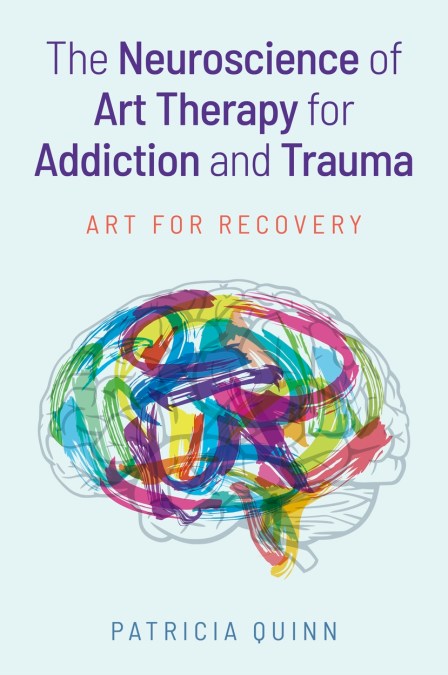
The Neuroscience of Art Therapy for Addiction and Trauma
Long-term recovery from substance disorders can be elusive, as each individual may have complex needs that can be hard to uncover and address.
This book shows how art therapy may reduce treatment episodes and expedite recovery by identifying comorbid disorders and engaging clients with treatment-resistant conditions like trauma, learning disabilities and brain injuries. It also demonstrates how art therapy reconstitutes areas of the brain to restore resilience and relational wellbeing.
Example art therapy exercises offer ways to increase self-esteem, clarify and regulate emotions, and improve cognition and decision-making, as the transition to recovery is achieved.
This book shows how art therapy may reduce treatment episodes and expedite recovery by identifying comorbid disorders and engaging clients with treatment-resistant conditions like trauma, learning disabilities and brain injuries. It also demonstrates how art therapy reconstitutes areas of the brain to restore resilience and relational wellbeing.
Example art therapy exercises offer ways to increase self-esteem, clarify and regulate emotions, and improve cognition and decision-making, as the transition to recovery is achieved.
Reviews
Patricia Quinn's new book is a beautifully written, scholarly offering of the nuances of neurology, trauma, addiction, as well as the art intervention case studies that can promote client healing and recovery. As a specialist in addiction, deafness and other disabilities I will enthusiastically recommend the book to my network and beyond.
This book is a comprehensive overview of the neurobiological underpinnings of art therapy in substance use disorder. Readers will gain a deeper appreciation of the theoretical underpinnings and practical treatment approaches in substance use treatment.