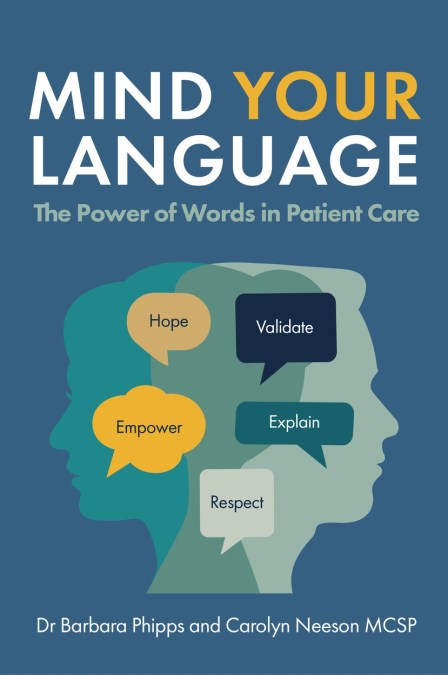
Our words and the way we choose to use them has a profound impact on patient outcomes and trust. Leading with honesty, kindness, and patient empowerment, this practical guide encourages healthcare professions to harness the power of words to the advantage of our patients.
Many healthcare professionals are contending with factors outside of their control such as challenging budgets, constrained time, and increasingly complex and chronic conditions. Using intentional language is more important than ever, and something every healthcare professional can implement directly into their patient care.
This book guides professionals on how we can positively change our language around pain, body weight, ageing, women’s and men’s health, diagnoses, and disability whilst acknowledging equally important factors such as identity and cultural inclusivity.
Reviews
Words matter. Particularly in healthcare, the language we use can shape expectations, influence pain and profoundly affect health and life outcomes. This is an insightful, thought-provoking and important book that every clinician should read.
This is the book I have been waiting to read! In Mind Your Language, Phipps and Neeson have shown how the language we use is not of passing interest, but absolutely fundamental to the way our patients experience illness. It is essential reading for everyone involved in healthcare.
The authors of Mind Your Language clearly understand the current healthcare system and the pressures faced by staff. This lovely book challenges us, as clinical staff, to reflect on the language we use at work every day but also gently nudges us, with language suggestions, to improve each interaction with the patient, their loved ones and each other.